The Art of the Lesson Opening (CCL)
Setting the stage for a successful, pupil-led learning experience from the very first minute.
Why the First 5 Minutes Matter
The lesson opening is not just casual chat; it's the foundation of a Client-Centred Learning (CCL) approach. It's where we shift from "telling" to "collaborating," ensuring the pupil takes ownership of their learning goals and understands the shared responsibility for safety.
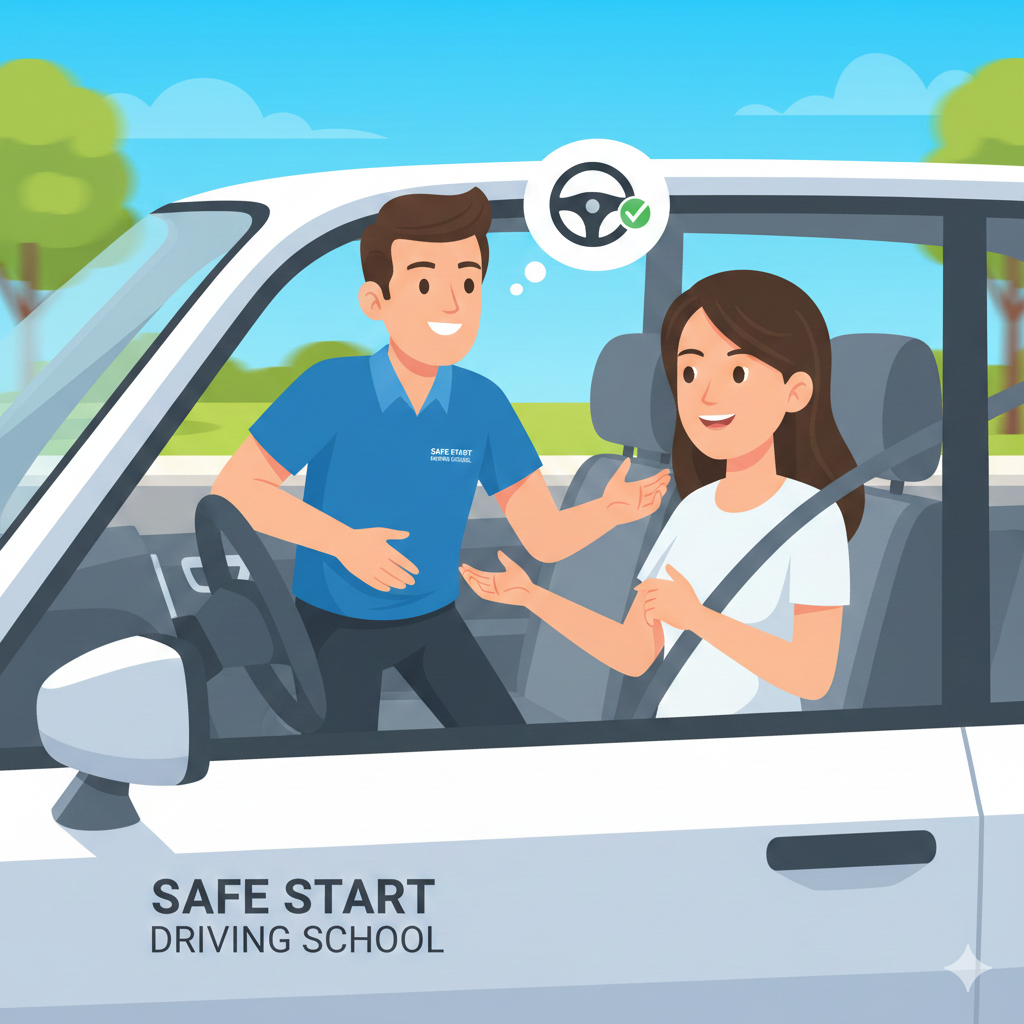
The 3-Step CCL Framework
Use this structure to ensure a focused and Standards Check-compliant start:
- Recap & Reflect (Checking Understanding) “How did you feel about our last session on roundabouts? What went well, and what are you still unsure about?”
- Set the Goal (Pupil-Led) “Based on that, what would you like to achieve by the end of today's lesson? What do you want to feel more confident doing?”
- Agree the Plan & Risk Management “Okay, to practice that safely, let's head to [Location]. For the first few junctions, I’ll take responsibility for checking gaps, and you focus on car control. Does that sound like a safe plan?”
Exam Insight: 30-Second Opening Script
呢一段唔係「背稿」,而係一個 高分結構:用最短時間做齊 反思 → 需要 → 目標 → 安全分工 → 支援語言。
30-second version (Simple English)1) “Quick recap: what was the best part last lesson?”
2) “What was the hardest part?”
3) “So today, what’s your main goal?”
4) “My safety plan: for the first few junctions, I’ll help with gaps/mirrors — you focus on steering and speed.”
5) “If you feel unsure, just say ‘Help’ and we’ll slow it down.”
Why this scores well (5 key factors)
Reflection: 先問「best part」,逼學生講返自己表現 → pupil-led opening。
Needs analysis: 問「hardest part」=搵學習需要,唔係你預設今日教咩。
Agreed objective: 由學生講「main goal」,你先跟住整理 → 目標清晰、共同同意。
Risk management plan: 明確分工(你幫 gaps/mirrors)=安全策略,不是放任。
Support language: “Say ‘Help’” 建立安全網同共同語言 → 減壓、提升可控度。
Shared Responsibility Strategy
A key part of the opening is explicitly agreeing on the level of instruction and who is responsible for what. This prevents confusion and increases safety.
Simple English Phrases to Use:
- For Mirrors: “For this roundabout, I will check the mirrors. You focus on steering and speed.”
- For Observation: “I need you to look far ahead. If I don’t say anything, you are safe.”
- For Decision Making: “At this junction, I want you to decide when to go. If you are unsure, tell me ‘Help’.”
- For Safety: “I am here to keep us safe. I will use the dual controls if needed, but I want you to try first.”