Street Driving & Real-World Risk
Urban driving is where Part 3 lives or dies.
Urban & Residential Driving
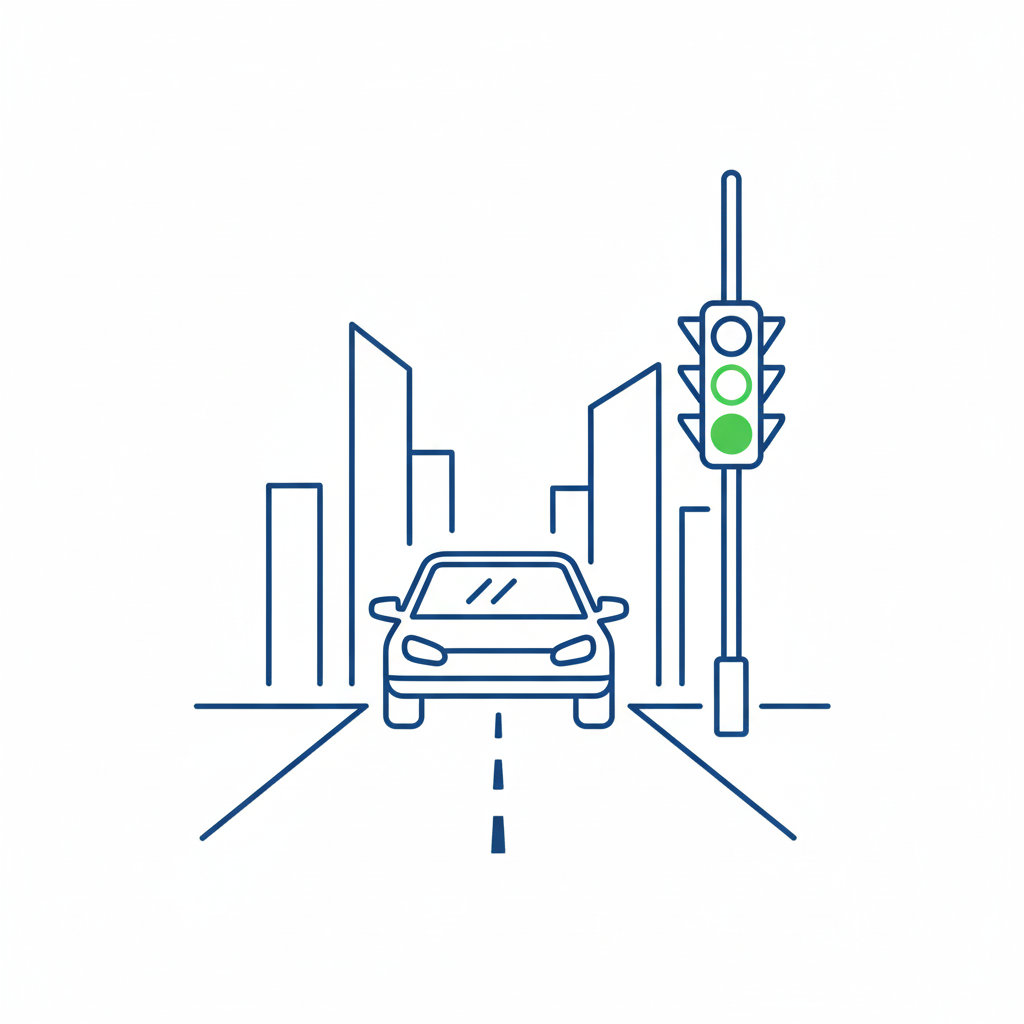
Street driving is not about junction technique.
It is about anticipation, scanning, planning and shared responsibility.
It is about anticipation, scanning, planning and shared responsibility.
Common Teaching Failures (Part 3)
- Instructor spotting hazards instead of pupil.
- No verbalised risk discussion.
- No responsibility agreement before junction.
Junctions
Click to expandSpeed → Position → Observation → Decision
- What can you see developing?
- What is your biggest risk?
- Who is responsible here?
Roundabouts
Click to expandLane planning & gap judgement
- What information do you need first?
- What is your safe gap?
- If unsure, what will you say?
Pedestrians
Click to expandScanning & anticipation
- Where are your eyes now?
- Who might step out?
- What is your backup plan?
Speed Management
Click to expandMatching conditions & flow
- Is this speed safe or legal?
- What changes ahead?
- What does the road tell you?
Live Risk Commentary Framework
Instead of giving instructions, try structured risk language. Your job is to make the pupil see → explain → decide.
Scan prompt: “We have parked cars left, pedestrian right, junction ahead. What is your plan?”
Support word: “If you feel unsure, say ‘Help’ early.”
Responsibility split: “For this one, I will check mirrors. You manage speed.”
Examiner is looking for…
- Shared responsibility (clear safety plan, not silent hope)
- Encouraging pupil thinking (questions, not commands)
- Clear risk discussion (what / why / what-if)
One-line memory:
“Name the hazard → ask for the plan → agree the safety split → let them decide.”
“Name the hazard → ask for the plan → agree the safety split → let them decide.”