Parking & Manoeuvres
Click a manoeuvre to reveal simple open questions + coaching prompts.
Parking Techniques
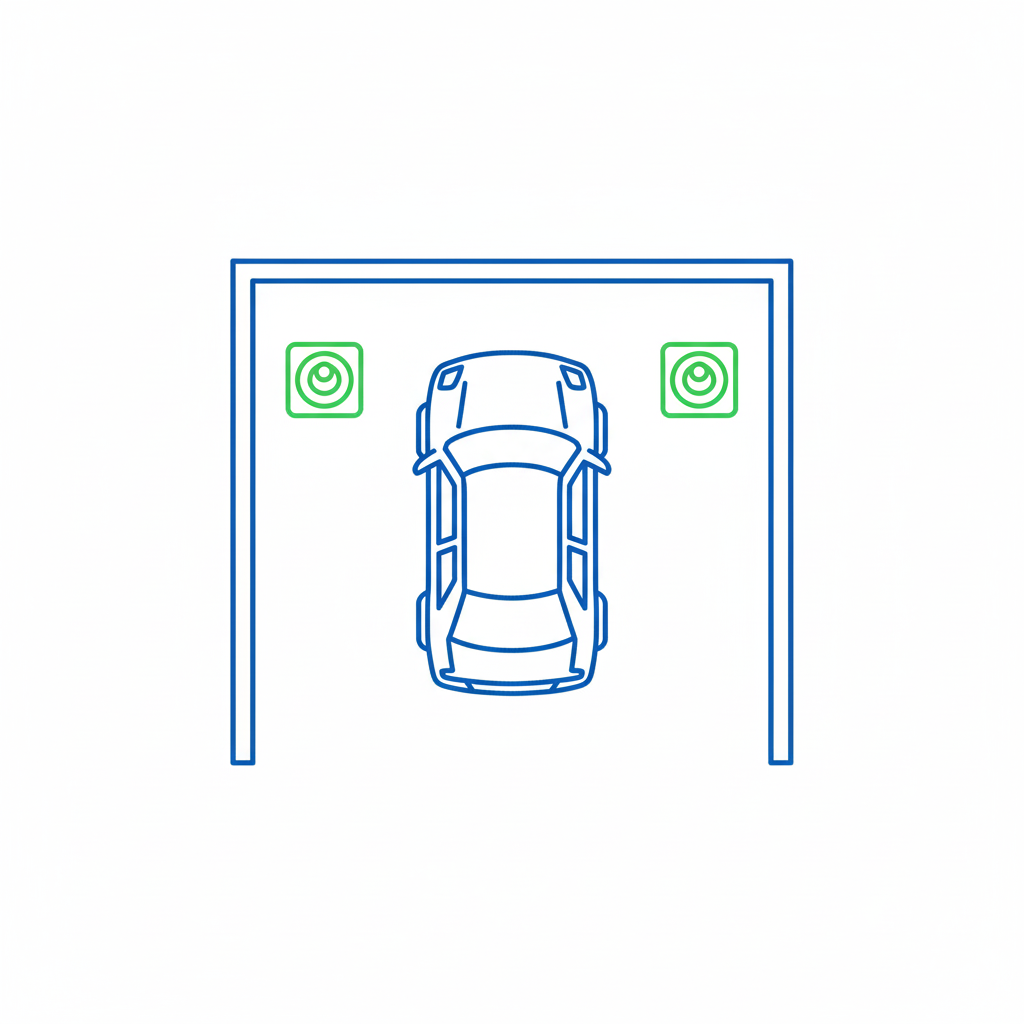
Manoeuvres are not “tricks”. They are slow-speed risk management: observation, planning, control, and safe decision-making.
Common Learner Errors
- Late Observation: checking only at the start, not during the whole manoeuvre.
- Too Fast: rushing the reverse, losing time to correct.
- Poor Plan: no pause points, no “stop-and-look” habit.
Bay Parking
Click for questions + coaching promptsForward or reverse into a bay (planning + accuracy).
- "What is your plan before you start?"
- "Where is your main risk right now?"
- "What will you do if you are not happy with the angle?"
“Slow speed gives you time. Pause, observe, then move.”
Parallel Parking
Click for questions + coaching promptsBehind a parked vehicle (control + reference + observation).
- "Is the space big enough? How do you know?"
- "What are you checking while you reverse?"
- "When will you stop and re-check?"
“If you feel busy, STOP. Safety first, then continue.”
Pull Up on the Right
Click for questions + coaching promptsSafe stop + reverse two car lengths (control + scanning).
- "What hazards do you expect behind you?"
- "How do you keep the car straight in reverse?"
- "What will make you stop early?"
“Reverse is slow. Observation is continuous.”
Turn in the Road
Click for questions + coaching promptsChange direction safely (planning + space + awareness).
- "Why is this place safe for the turn?"
- "What are you checking before each move?"
- "How do you keep it smooth and controlled?"
“Every move is a mini ‘move off’. Check first.”
Examiner Lens (Standards Check)
Manoeuvres are a perfect place to show CCL. The examiner is not scoring your “reference point”. They are scoring your teaching quality: risk, clarity, pupil thinking, and calm control.
Observation Strategy
Not “Did you check once?” — but “Did you keep checking and stop when needed?”
Pupil Thinking
Use questions, not commands. Let pupil explain the plan. You guide with prompts.
Shared Responsibility
Agree the support level: “I will watch the rear. You focus on control.”
Stop is a Skill
A safe stop is not failure. It shows judgement. Encourage “stop-and-reset”.